Kris D'hulst in Trends | What's left of us after AI?

Trends Magazine
3 min read
24 Jun 26
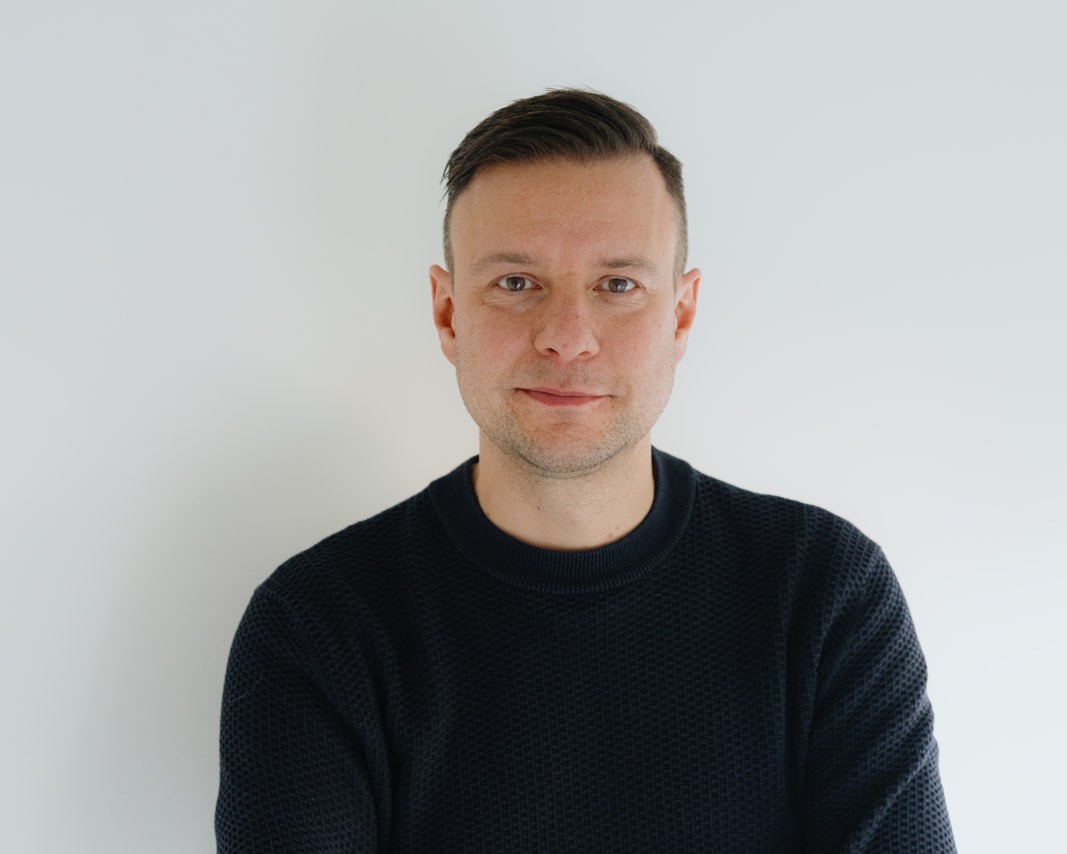
Drawing on the philosopher Emmanuel Levinas, Kris argues that meaning and identity don't come from within ourselves, but from our responsibility toward the Other, the human encounter no technology can replicate. He makes it concrete with a doctor: an algorithm may read an MRI scan faster than any radiologist and lift the administrative weight that buries clinicians today. But it will never sit down beside a patient and rest a hand on their shoulder. That unplannable, selfless gesture, what Levinas called la petite bonté, the small goodness, is exactly what no model, however advanced, can offer.
His message for the AI era is hopeful, but it comes with a condition we recognise in our own work. As AI takes over cognitive tasks, it frees up space to return to what actually makes us human: the teacher with more time for a struggling student, the doctor who can simply be present. The risk is that we let that space fill straight back up with more meetings, more reporting, more output. What remains of us after AI, Kris writes, isn't decided by the technology. It's decided by us.
Read Kris's full op-ed on Trends: "Wat blijft er van ons over na AI?" (in Dutch, subscription required)
Keep reading
Eager to learn more? No worries: we’ve got you covered.
Datashift and Kyvvu bring real-time security to autonomous AI agents
Datashift and Kyvvu are joining forces to introduce a new real-time security layer for AI agents. In doing so, they aim to prevent incidents with autonomous AI systems before they occur, with a focus on regulated European markets.

Datashift welcomes Ilias (18) as "Boss of Tomorrow"
As part of JINC's "Boss of Tomorrow" initiative, 18-year-old Mechelen student Ilias spent a day shadowing Datashift CEO Nico Huybrechts. The programme, run by equal-opportunity organisation JINC, pairs pupils and teenagers with company leaders to help them explore career paths and give business leaders insight into how the next generation views their roles.