Fair Beds, Not a Race: How Datashift Built a Smarter Way to Allocate Night Shelter in Rivierenland

HLN
5 min read
01 Oct 26
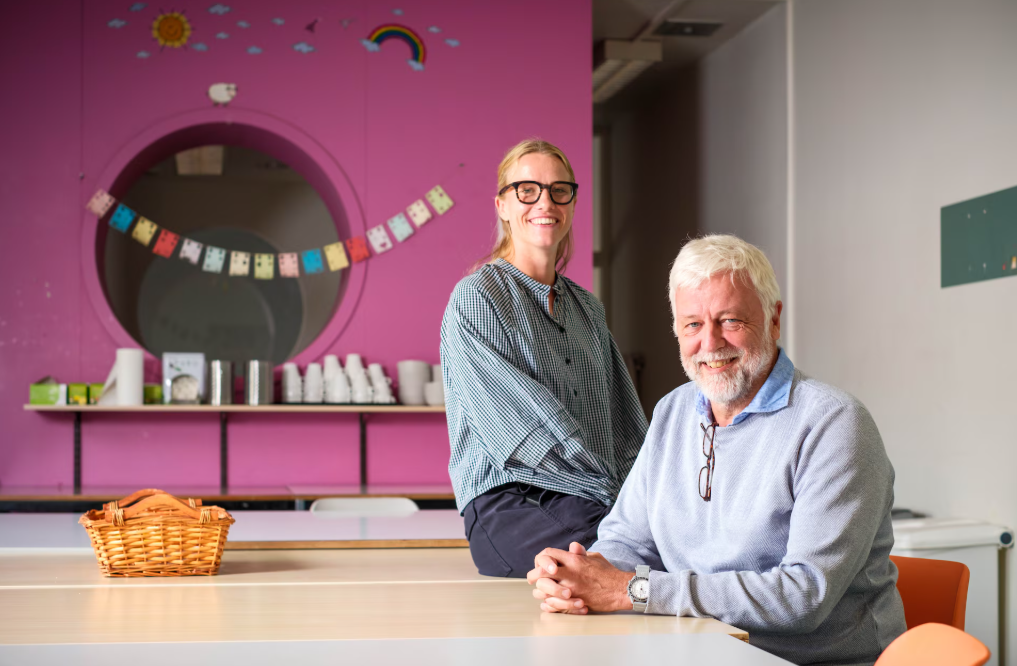
or years, securing a night shelter bed in Mechelen came down to speed: whoever logged in first each morning got a place for their client. Datashift developed a digital application for CAW Rivierenland that allocates the available beds automatically, transparently and fairly across twelve local social welfare services (OCMW's). The project was covered by HLN.
Recap:
- The challenge: Twelve OCMW's and CAW Rivierenland jointly run a night shelter with 15 beds. With demand exceeding supply, social workers competed every morning for a place, which created frustration among municipalities that contributed funding.
- What we built: A custom application that applies clear allocation rules. Municipalities that have received the fewest places so far get priority.
- The impact: Fair, consistent and transparent allocation. CAW gains insight into occupancy and length of stay, and social workers can follow the status of every request themselves.
- The bigger picture: The tool distributes scarce capacity better, but it does not remove the shortage itself. That requires broader measures, which the partners are working on, such as sustainable housing for long-stay residents.
Why it matters: This is the kind of impact we want to deliver with data and AI: turning a daily scramble into a fair, transparent process that people can trust.
Read the full article on HLN (paywalled): https://www.hln.be/mechelen/wie-eerst-inlogde-kreeg-onderdak-anderen-niet-caw-en-datashift-maken-komaf-met-ochtendstrijd-om-nachtopvang~a0d790b9/
Keep reading
Eager to learn more? No worries: we’ve got you covered.
Datashift and Kyvvu bring real-time security to autonomous AI agents
Datashift and Kyvvu are joining forces to introduce a new real-time security layer for AI agents. In doing so, they aim to prevent incidents with autonomous AI systems before they occur, with a focus on regulated European markets.
Kris D'hulst in Trends | What's left of us after AI?
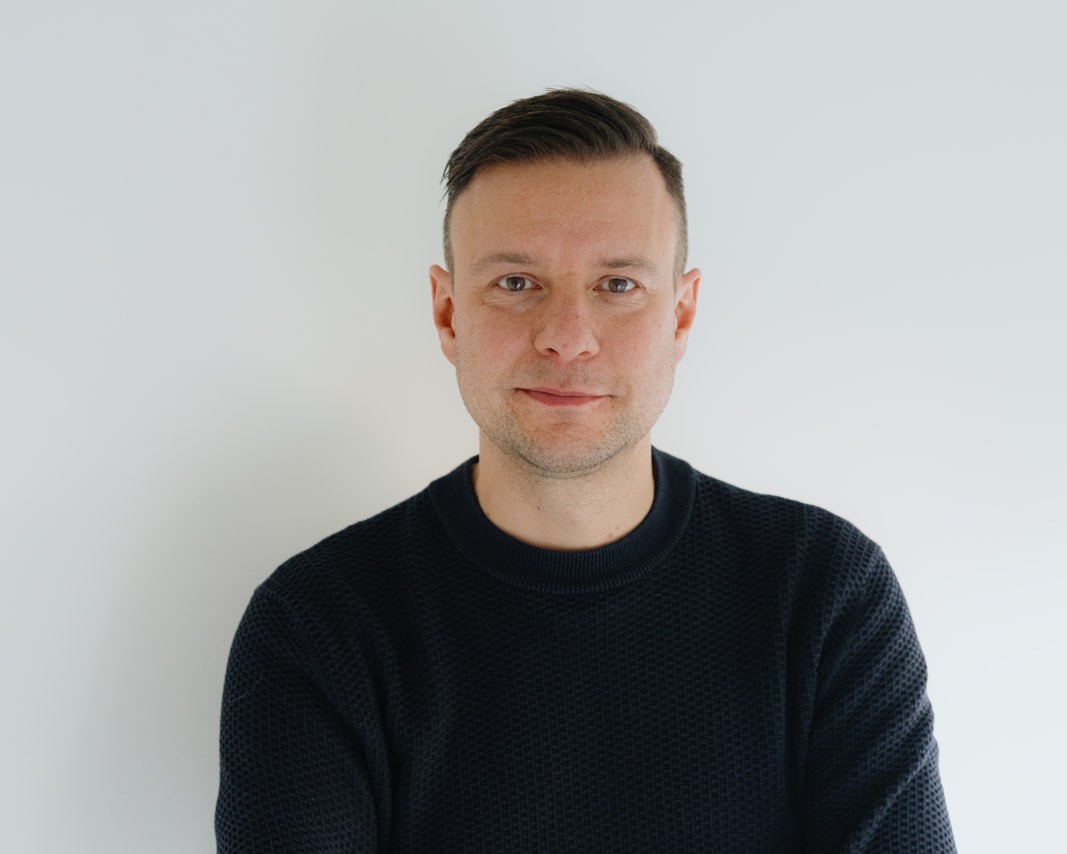
Our Operations Director, Kris D'Hulst, took to Trends DataNews with a question the AI debate tends to skip right past. Not what AI means for the economy or the job market but what makes each of us irreplaceable as individuals, once machines take over more of our thinking and knowledge work. It's a question close to how we think about adopting AI at Datashift, so we're proud to share his take.

Datashift welcomes Ilias (18) as "Boss of Tomorrow"
As part of JINC's "Boss of Tomorrow" initiative, 18-year-old Mechelen student Ilias spent a day shadowing Datashift CEO Nico Huybrechts. The programme, run by equal-opportunity organisation JINC, pairs pupils and teenagers with company leaders to help them explore career paths and give business leaders insight into how the next generation views their roles.